Klaus Kinski Net Worth 2026
| Estimated net worth | approx. 5.8 million Euros |
|---|---|
| Date of Birth | October 18, 1926 († November 23, 1991) |
| Born in | Zoppot, Free City of Danzig |
| Nationality | German |
| Marital status | verstorben |
| Profession | Actor, director and author |
| Full Name | Klaus Günter Karl Nakszynski |
Table of Contents
Without a doubt, Klaus Kinski was one of the most fascinating and controversial personalities of the 20th century. Born Nikolaus Karl Günther Nakszynski, he made a name for himself under his stage name Klaus Kinski as a talented, yet often unpredictable, actor. Known for his intense performances and his collaboration with director Werner Herzog, Kinski left an indelible legacy in the film world. But beyond his impressive career, many wonder: How much wealth did this iconic actor accumulate? Klaus Kinski’s net worth is not only a reflection of his professional successes but also a fascinating topic that gives us a deeper insight into his life and his numerous sources of income.
Klaus Kinski's Current Net Worth
According to our research and estimates, Klaus Kinski’s net worth at the time of his death was approximately 5.8 million Euros. Despite his eccentric lifestyle and controversial personality traits, Kinski managed to accumulate considerable wealth. His assets were composed of various sources generated throughout his career and beyond.
One of Klaus Kinski’s main sources of income was his numerous roles in films, plays, and TV appearances. Kinski began his career in Germany before gaining international recognition. His participation in significant productions such as “Aguirre, the Wrath of God,” “Nosferatu the Vampyre,” and “Fitzcarraldo,” directed by Werner Herzog, contributed significantly to Klaus Kinski’s net worth. These films not only brought high fees but also long-term royalties through resales, licensing, and broadcasts. Furthermore, these projects enhanced his international reputation and led to further lucrative role offers, which continuously increased his wealth.
In addition to his acting activities, Kinski also generated considerable income through book publications and other literary works. His autobiography “Ich bin so wild nach deinem Erdbeermund” (All I Am Is Wild About Your Strawberry Mouth), known for its brutal honesty, sold well and brought him additional income. Other books and publications, in which he described his life and his controversial views, enjoyed great popularity and thus contributed to Klaus Kinski’s net worth. These literary works not only expanded his income sources but also solidified his reputation as one of the most unconventional and fascinating figures in the film industry.

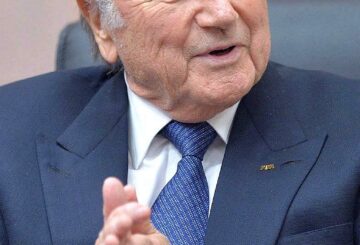
Von Georges Biard, CC BY-SA 3.0, https://commons.wikimedia.org/w/index.php?curid=23744769
Investments and Other Income Sources
Klaus Kinski did not limit his financial activities to the entertainment industry. He also made various investments outside of show business to diversify and secure his assets. These included real estate transactions and participations in various companies. These strategic investments enabled him to generate stable and long-term income streams that were less dependent on the fluctuations of his acting career.
Such diversification of his income sources was crucial for the sustainable increase of Klaus Kinski’s net worth. The returns from these investments significantly contributed to ensuring financial stability and further expanding his wealth. Although exact figures are difficult to ascertain, it is clear that Kinski’s business acumen and his ability to identify opportunities outside the film industry had a significant impact on his financial situation.
In summary, Klaus Kinski’s net worth is the result of a successful and versatile career, supported by shrewd investments and a wide range of income sources. Despite his controversial personality and often unpredictable behavior, he managed to build up considerable wealth, which reflects his impressive life’s work.
Klaus Kinski’s Early Life
Klaus Kinski, born on October 18, 1926, in Zoppot, Free City of Danzig (now Sopot, Poland), came from a German-Polish family. His father, Bruno Nakszynski, was a pharmacist, and his mother Susanne worked as a nurse. After his father’s death in 1931, the family moved to Berlin. During this time, the family lived in modest circumstances, which deeply shaped Kinski and had a significant influence on his later life decisions.
His family’s difficult financial situation instilled in him an early desire for success and recognition. His absolute will to escape economic hardship significantly influenced his later path as an actor. The experiences and challenges of his childhood laid the foundation for his uncompromising ambition and his often unpredictable nature. These qualities ultimately contributed to Kinski pursuing a career that brought him not only fame but also considerable financial success. Thus, his family background had a direct impact on Klaus Kinski’s net worth.
Kinski’s schooling was marked by frequent school changes, which was due to his rebellious and conspicuous behavior. Despite this unstable schooling, he developed a strong interest in literature and art early on. These inclinations eventually led him to acting, a field in which he could channel his intense emotions and creative energy.
During World War II, Kinski was drafted into military service and became a British prisoner of war. In a British prisoner-of-war camp, he began to perform in plays, which finally ignited his passion for acting. These early performances were crucial for his later career and formed the basis for his extraordinary acting talent.
These first encounters with acting had long-term effects on Klaus Kinski’s net worth. His ability to embody intense and emotional roles led to numerous offers in film and theater. The recognition and successes he achieved through this ensured continuous income and significantly increased his wealth. Thus, even at a young age, Kinski laid the foundation for a successful career that brought him not only artistic recognition but also financial prosperity.
Klaus Kinski’s Career
Klaus Kinski’s professional entry into acting began after the end of World War II. Having returned from captivity, he first tried his hand at theater, playing various small roles. His intensity and unusual stage presence quickly made him famous, but also notorious for his eccentric behavior.
Kinski received his first significant film role in 1948 in “Morituri,” marking the beginning of his long and varied film career. In the following years, he appeared in various German productions, including “Ludwig II: Glanz und Ende eines Königs” (1955) and “Doctor Zhivago” (1965). These early roles increased his notoriety and laid the groundwork for his later financial growth. Each of these roles contributed to Klaus Kinski’s net worth, not only by earning him fees but also by increasing his market value as an actor.
Breakthrough and International Recognition
Klaus Kinski achieved his international breakthrough in the 1960s and 1970s with a series of cinematic masterpieces and cult classics. Particularly noteworthy are his roles in films such as “Aguirre, the Wrath of God” (1972), “Nosferatu the Vampyre” (1979), and “Fitzcarraldo” (1982). These films, especially under the direction of Werner Herzog, helped him gain worldwide recognition and made his name internationally known.
These international successes had an enormous impact on Klaus Kinski’s net worth. Due to the wider reach and participation in more successful and high-budget productions, not only his fees but also his license and royalty income increased significantly. The success of these films brought him not only financial benefits but also increased demand for future projects.
Collaboration with Werner Herzog
The collaboration with Werner Herzog was a central part of Klaus Kinski’s career. Herzog discovered and fostered Kinski’s unique talent and cast him in several of his most important films. This partnership was extremely fruitful both artistically and financially.
“Aguirre, the Wrath of God” (1972) was the first of five films Kinski made with Herzog. This film is considered a milestone and brought both immortal fame. Other significant projects such as “Woyzeck” (1979) and “Nosferatu the Vampyre” (1979) followed. “Fitzcarraldo” (1982) in particular was a great financial success that significantly increased Klaus Kinski’s net worth. These films not only brought direct income through fees and participations but also increased Kinski’s global market value and thus his earning potential in future projects.

Kim Petras Net Worth
June 11, 2026

Jana Ina Net Worth
June 10, 2026

Sepp Blatter Net Worth
April 21, 2026




 DE
DE